This list covers my initial thoughts about the books I have read in 2023. The amount that I write about each book does not necessarily correlate to how much I liked or disliked it. Sometimes, I have a lot to say about a book that I don’t much care for, and sometimes I have very little to say about a book that I adore. There are also some instances where I purposely limit my thoughts because I don’t feel that this short format is adequate for what I want to say about a particular text, and I’d like to save my thoughts for a longer, stand-alone response. This is a list-in-progress.
Idoru – William Gibson
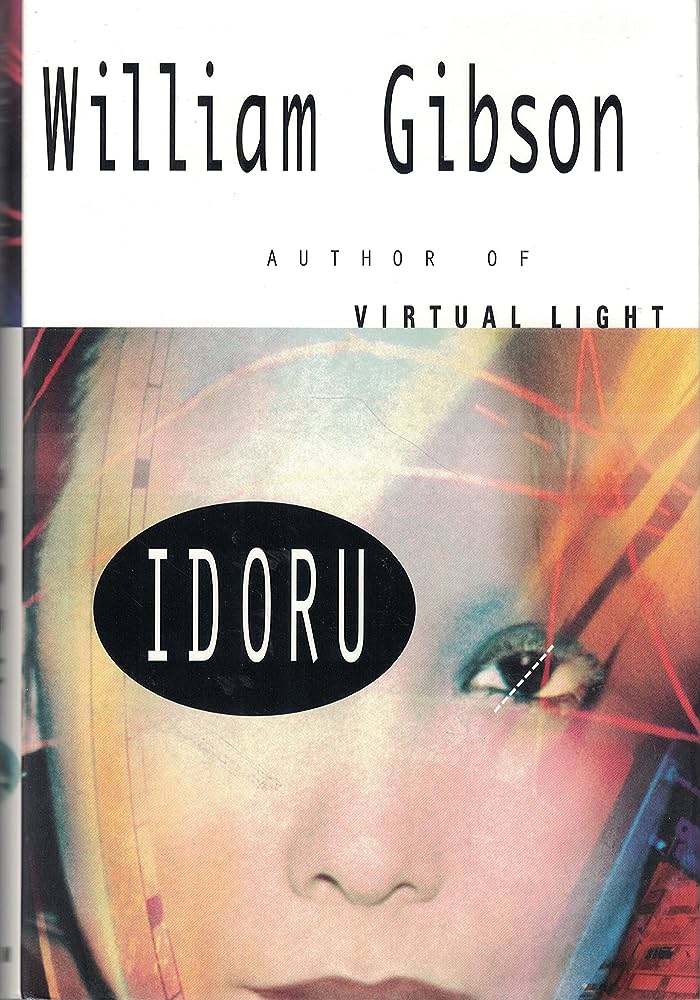
While this novel, much like Neuromancer, presents a lot of unique and thoroughly intriguing ideas, I am disappointed to say that I (again, similar to Neuromancer) was not grabbed by this story at all. I’m not quite sure what it is exactly about Idoru that made me feel so bored with it. It could have been the plot’s central focus on Rez, a character not formally introduced until the novel is almost over, or perhaps the over-indulgent descriptions of the cyberpunk aesthetic. This latter element is one that I am torn on, as Gibson’s prose is fantastic, gripping, unique, and cool, but I feel like it gets a bit carried away at times; I want to know what characters and places look like, but not if the descriptions are completely removed from the issues at hand in the story. All in all, I’m not completely turned off to Gibson, but I do think that I am learning more about the types of novels I like: ones with greater emotional depth, weight, and specificity underpinning whatever otherworldly intrigue is presented by the worldbuilding (see: Three-Body Problem series).
To a God Unknown- John Steinbeck
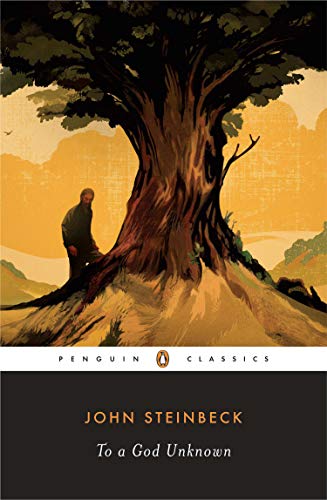
This is what I’m fucking talking about. Man, I love Steinbeck. This novel feels almost prototypical of East of Eden, in that it follows an eccentric family and their relationship with their land. Of course, this novel comes nowhere near the ambition of East of Eden, but I was still surprised at how much detail is crammed into every page of the book. It may only be about 250 pages long, but it makes more of an impact than several 500+ page books I read over the course of the past year. To a God Unknown is thoughtful, complex, and unceasingly entertaining at just about every turn, and I can’t wait to revisit it.
Gone, Baby, Gone – Dennis Lehane
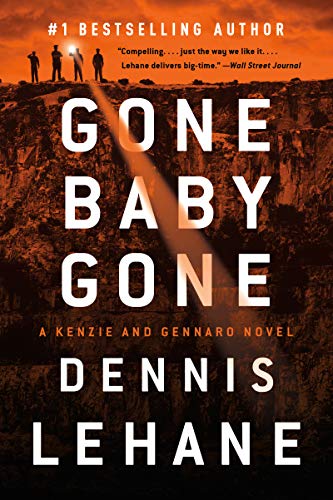
Honestly, pretty good. When I first started reading this book, and for about the first half of the story, I was convinced that this was a bog-standard, beach/airport novel, filled with wacky, aspirational characters, sensational twists and turns, and a plot that favored wow-factor over sensible, logical developments. Many, perhaps all, of these factors are present in this book, but I think it is saved by its twist at the end, which recontextualizes the entire story and turns it into a thought-provoking parable rather than a paint-by-numbers crime thriller. And, to Mr. Lehane’s credit, the prose is very good, which always helps a story like this, which feels somewhat uncreative at certain moments (primarily in the first half). I definitely want to read more from Lehane, and I might even give the other Kenzie and Gennaro novels a shot–definitely, if there is a sequel to Gone, Baby, Gone.
Too Much Sun – Lee Olds
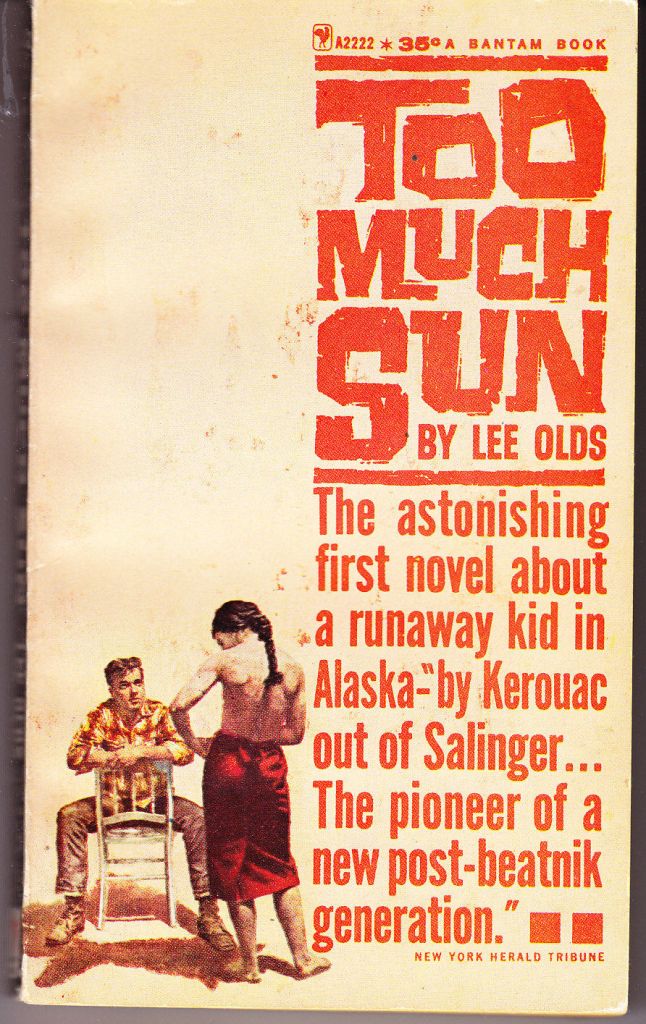
Barry definitely wanted to fuck Jim. Anyway, I thought this novel is pretty fantastic. It is hilarious, insightful, and endlessly entertaining, even if some of the non-sequiturs and ponderings of Barry get a bit long in the tooth at times. The depiction of women is also… not great, especially when it comes to the uncomfortable, rapey scenes. I could definitely see those being a dealbreaker for others reading this book. Aside from those problematic moments, there is still a lot of value in this book, especially as it pertains to adulthood/manhood and all the other coming of age stuff.
Crime and Punishment – Fyodor Dostoyevsky
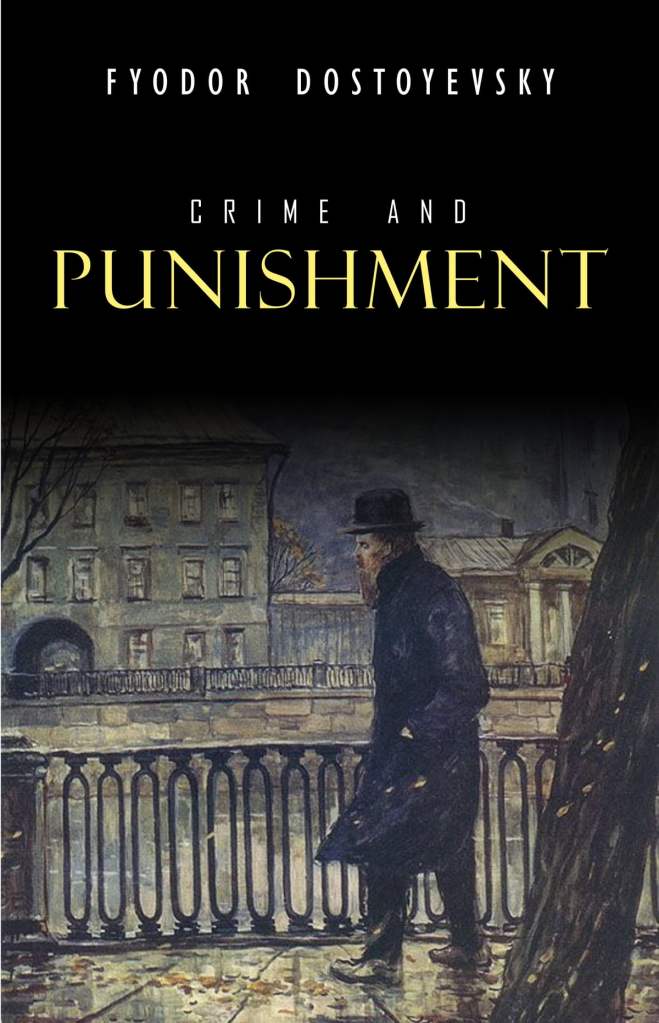
More than perhaps any other novel I’ve read, I feel that any thoughts about Crime and Punishment that I could commit to this journal would be inadequate in describing the its effect on me. Crime and Punishment holds fast to its long-held status as a Great Book, and this legacy precedes it, never leaving the mind during the reader’s journey through the story. What can be said of Raskolnikov as a character? He alone could be and has been the subject of innumerable essays, theses, and books. You think that Crime and Punishment is about one thing, perhaps the toils of the impoverished European populace, and then it takes a sharp turn into something entirely more important, thought-provoking, and braver than anything found in even the most thoughtful and provocative stories of the modern era. Nothing is simple in Crime and Punishment, nothing is easily digestible, and yet, I never found the story boring. Indeed, perhaps one of the greatest accomplishments of this astonishing novel is its ability to consistently entertain and engage the reader while it ponders the meaning of societal relationships, morality, and what it means to be a great person. At the same time, its message is easy to comprehend, if you can get past enlightenment-style thinking that so many people (myself included) have been conditioned to believe over everything else. Raskolnikov’s own incongruous mind, encouraging him on a subconscious level to be selfless toward those around him while showing a complete disregard for the lives of two vulnerable, albeit controversial, old women, is a testament to the line this book walks between being easy to follow and completely baffling. I have never read another book like Crime and Punishment, and most likely never will.
The Communist Manifesto – Karl Marx & Frederic Engels
It would be pointless to attempt to write down my complete thoughts about the concept of communism in this journal (which was initially intended to contain brief first impressions of the art I consumed over the course of the year. Oops.), so I will not attempt to do so. Instead, I will talk about the manifesto on its own merits. The Communist Manifesto is a piece of propaganda. I would be surprised and frustrated to hear even the most vehement communist argue with this idea. The text is blatant and obvious in its claims about the aims of communism and its condemnation of both capitalism and socialism, and was written with a singular goal in mind: convert, convert, convert. Judged on this basis, The Communist Manifesto is effective, as it elicits anger toward the bourgeoisie and sympathy toward the plight of the proletariat. By this same token, the manifesto disappointed me with its lack of educational or informative content, as it didn’t provide me with anything thought-provoking or nuanced. As someone who is already critical of capitalism and hoping to learn more about proposed alternatives to this global system, I wanted more “meat” to the commentary provided by the book. Instead, I am left feeling mostly the same about the idea of communism: it is a lofty goal that has never even come close to being attained, and so much of the end-state of communism is left up to individual imagination, as there isn’t much (at least, there isn’t much outlined in this book) in the way of explaining how to handle issues like apathy, laziness, crime, or incentive to maintain or develop a society. I still am not satisfied by the communist’s apparent shrugging towards the “positives” of capitalism, namely the profit motive, which encourages members of a social system to strive towards a mutually beneficial goal for the sake of a selfish end. But, as I said, I’m not here to throw out disjointed thoughts about communism. The Communist Manifesto is an effective piece of propaganda, but its educational powers are lacking.
Jane Eyre – Charlotte Bronte
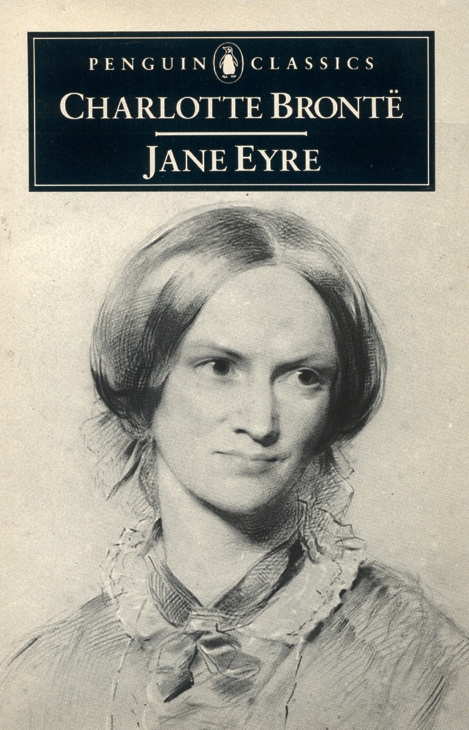
There are very few books I would consider perfect, and Jane Eyre is one of them. There have been few other storytellers more naturally suited to the craft than Charlotte Bronte, who manages to convey a timeless sense of place, strife, comedy, intrigue, mystery, and romance throughout an epic tale. I think back to my thoughts about Crime and Punishment in that, despite being published in 1848, Jane Eyre has not lost its power as a Great Book, instilling the reader with the emotions of Jane herself at any given moment, and in such a tangible, powerful way that few novels are capable of. I remember a specific portion of the book, where Jane has fled Thornfield and is wandering through small hamlets and towns before finding a home at Morton. Jane was cold, wet, and alone, and I felt those things too. My bones ached with Jane’s, and in that moment she stopped being a fictional character, a figment of Bronte’s imagination, and became as close to me as a sister or a best friend, with whom I had an unshakable connection. I love Jane, as I love Mr. Rochester, Diana, Mary, St. John, and Adele. These are characters who will never leave my heart, and can pass the gulf of time to sit with me in my own home in 2023, make me laugh, and shed tears with them.
The Old Man and the Sea – Ernest Hemingway
Quite a powerful book that stands apart from Hemingway’s other work in a number of ways. Its simplicity gives it the feel of a fable or fairy tale, which certainly works well when considering Santiago’s emblematic journey. I wonder if the fish in this book meant something to Hemingway that readers will never fully understand. Santiago’s struggles with the fish, and in turn with pride, destiny, and manhood, are endlessly interpretable and could connect to concepts like artistic endeavors, depression, or just life in general. Given its simplicity and straightforwardness, I don’t have a whole lot to say about it, but I feel that Santiago’s journey will stay with me for a long time, for the same reason.
Drive Your Plow Over the Bones of the Dead – Olga Tocarczuk
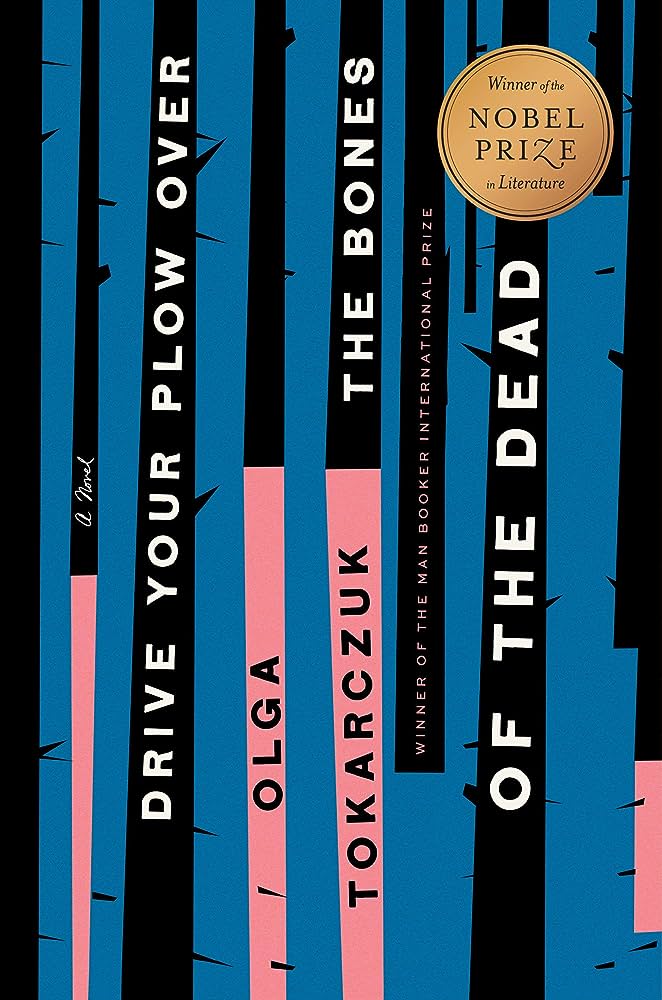
Damn, what an incredible twist this story has. I genuinely can’t believe that I didn’t see it coming, which is exactly the feeling that a good twist should evoke. I was definitely soured on the book at some points, feeling that it was perhaps a bit too on the nose and sophomoric at certain points (although I mostly agreed with its message), but having the entire context makes me feel like I was a bit too headstrong when judging the novel so prematurely. I don’t doubt that Tocarczuk holds similar beliefs to Janina, but Janina herself is an unreliable narrator, one who kills without grief or shame, feeling wholly and unilaterally justified by her morals, alongside her belief in determinism via astrology. With the context of the ending in mind, I want to re-read the book, interrogating Janina a bit more, seeing how she justifies her own evil deeds while condemning the deeds of others. Of course, a large part of me rooted for her at the end, or at the very least understood her anger and hatred towards her victims. Definitely a book worth reading.
The Monk – Matthew Lewis
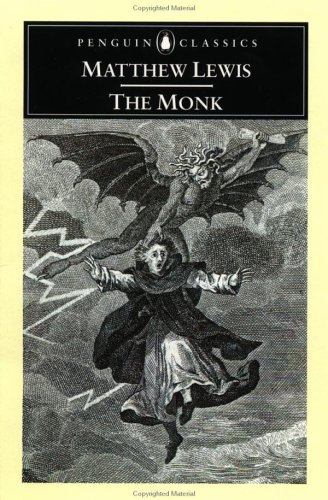
A completely astonishing book that blew all of my expectations out of the water. This book took me a while to read thanks to its antiquated and complex prose, but it was consistently entertaining, baffling, engaging, scintillating, varied, thought-provoking, and grotesque in all the right ways. Ambrosio is truly a despicable villain, and reading some passages from his perspective was definitely kind of chilling and gross at times, but I couldn’t pull myself away. I initially was disappointed when the book began its 100-page tangent into the story of Alfonso (I think that was his name), but that side-story ended up being so compelling that I was sad when it was over. The only real criticism I have of the book would be a small aspect of the finale, where Satan reveals that Antonia was the long-lost sister of Ambrosio. That was a little over the top and not necessary. Ambrosio murdered Antonia’s mother, kidnapped her, raped her, and then killed her– I don’t think it needed to be more fucked up than that. All in all, an incredible, ahead-of-its-time Gothic horror novel that I will not forget any time soon.
The Winter of Our Discontent – John Steinbeck
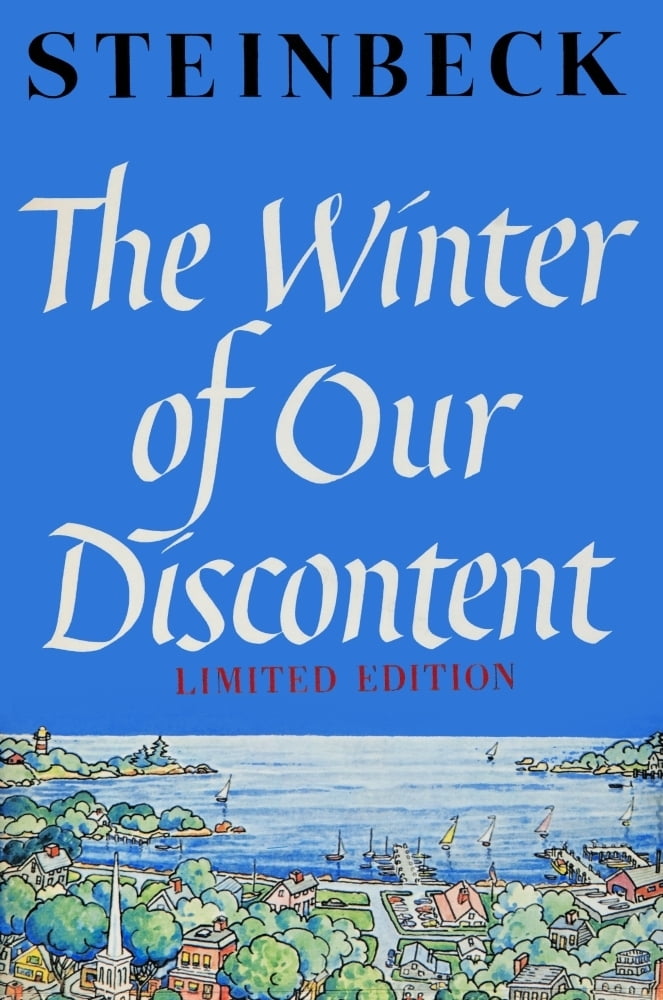
Certainly the most depressing and disturbing work of Steinbeck that I have read thus far. The Winter of Our Discontent paints a bleak picture of American society, one where morality, ethics, and honor have been all but destroyed. Ethan Hawley, though presented as a nurturing, fatherly figure similar to the mostly morally upright Adam Trask, proves himself to not be an exception to this corruption. Hawley falls victim to the same greed and petty virtues as his contemporaries, and his deeds are perhaps even more reprehensible than theirs. The shameless plagiarism by his son cements the idea that the seed of this moral bankruptcy has poisoned the future of our culture. Looking around today, in 2023, I can’t say that Steinbeck was wrong there. That said, it was not my favorite of his books, but it’s Steinbeck, so it was still better than 90% of American literature.
Ishmael – Daniel Quinn
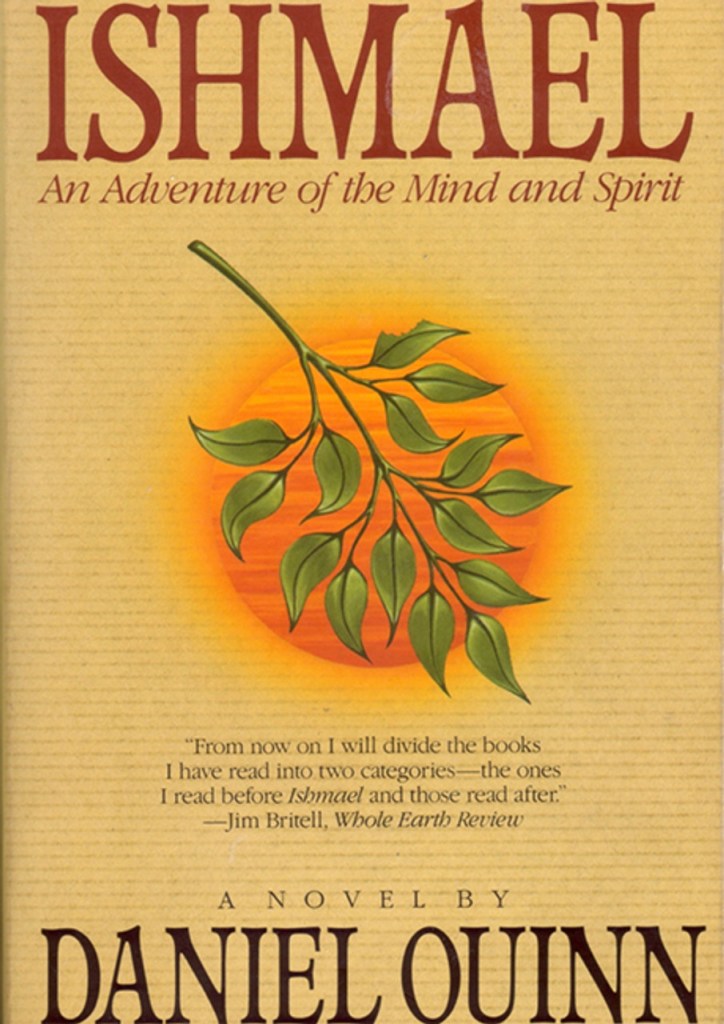
I find it difficult to write about this book. Since I started this journal, I’ve read almost exclusively fiction, and I have always made it my attempt (keyword there) to jot down my thoughts just after reading the book. Well, I’ve just finished Ishmael, and as the narrator of that book states, sometimes having too much to say can be as stupefying as having nothing to say at all. Nevertheless, I’ll try to express my thoughts to some degree. Ishmael is perhaps one of the most important books of the modern age. Almost nothing new is introduced by way of novel evidence or research, but Quinn succeeds on a far greater level by recontextualizing everything that man knows to be true about himself. We are a species that has spent thousands of years devouring the planet that we live on, establishing ourselves as rulers, rightful conquerors, and it is leading to our demise. Rather than attempt to change how we conduct ourselves, we continue to “pedal” our aircraft of civilization, which will only perpetuate our own doom. Most humans claim that our species is superior to all others, but why? Is it because we have control over the most land? What good does that control serve when it is a key element in our upcoming extinction? What good do art, music, and culture serve when the systems that have allowed these marvels to flourish necessitate the destruction of the natural world, and our very lives? These are just some of the questions that Ishmael poses and, astonishingly, answers very simply. Humanity will destroy itself by sticking to this conqueror mentality, and it doesn’t take an ecologist or anthropologist to understand that. The evidence of these issues is all around us, and Ishmael is a text that simply points to this evidence and begs us to pay attention.
The End of Men – Christina Sweeney-Baird
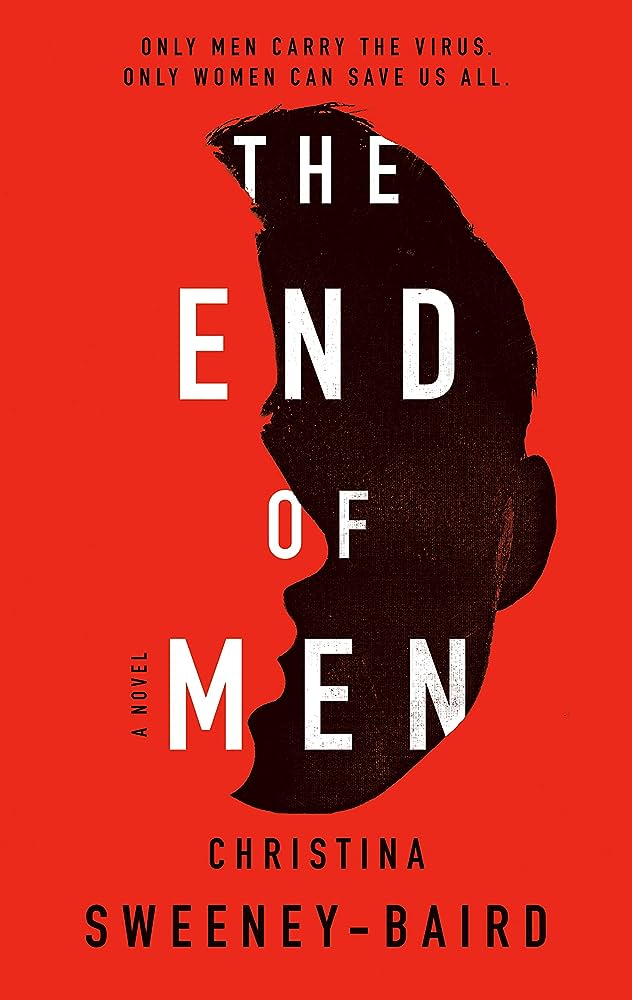
Really not very good at all. My main issues come down to the world-building and the prose. The former is very lackluster and barebones. If the story, dialog, and writing were better, I would say that I would like for this book to be much longer or even a series, but I definitely don’t want to read more of it. Every character has the same personality and inner monologue, regardless of their age, background, etc. And Jesus Christ, the reporter character. Sweeney-Baird really shot herself in the foot by making the reporter a Nobel prize winner, because her writing is equivalent to that of a high school newspaper columnist. All of the writing was so bad, and the book will instantly become dated due to its overuse of references to things like Pinterest trends, which was pretty cringe to read. Back to the world building aspect of things, I understand that the idea was for the women’s perspectives to be front and center, and I think that makes sense, but the fact that there is virtually no male voice in the story is a bit baffling, especially if you consider demographics like gay or trans men, or trans women for that matter. The novel does pay gay men and trans women some extremely minor lip service, but these groups would have been incredibly affected by this pandemic— and their stories would have been so, so much more interesting than Middle-Class White Woman #7– so leaving them out feels like a missed opportunity. I just really did not like this book and I feel like it encapsulates everything wrong with modern, airport bookstore-quality literature, that is meant to be easily digested, chewed up, spat out, and replaced by a new “trendy” little book that was farted out with no thought behind it.
The Satanic Verses – Salman Rushdie
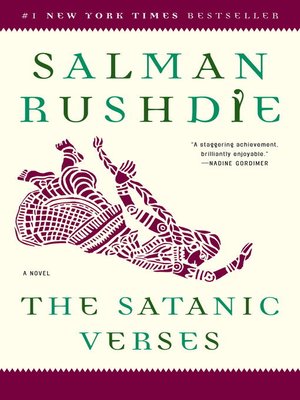
A much welcome change of pace after The End of Men. Rushdie once again has astounded me with his verbose, schizophrenic prose and storytelling ability, and the book honestly felt like something monumental and almost incomprehensible. This serves as a benefit and something of a detriment at times, as there are parts of the story, especially in the first half, that were kind of a slog for me to get through. The sharp shifts in plot lines, the blending of dreams and reality, and the numerous characters (many of them sharing the same names) made the book hard to follow at times, but I actively wanted to follow it, which I think makes all the difference. Reading Rushdie definitely takes some work— his books are absolutely not casual reads in my opinion— but the end result is worth it.
Heart of Darkness – Joseph Conrad
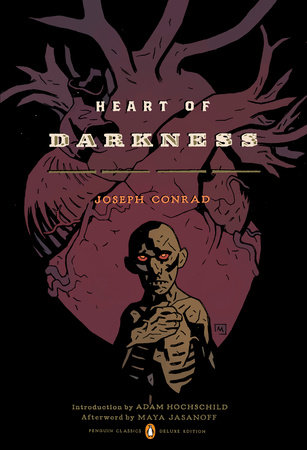
It’s been so long since I’ve updated this list, so the next chunk of book reviews will probably be a bit sparse or unenthusiastic. That said, this book is pretty good, but I’m not sure it rocked my world. It may just be because so many artists have adapted and reframed this story that I find the original to be somewhat lacking in complexity. The fact that the book is so short doesn’t help things, as I didn’t feel like I really had time to sink into the world Conrad was creating.
The Four Agreements – Don Miguel Ruis
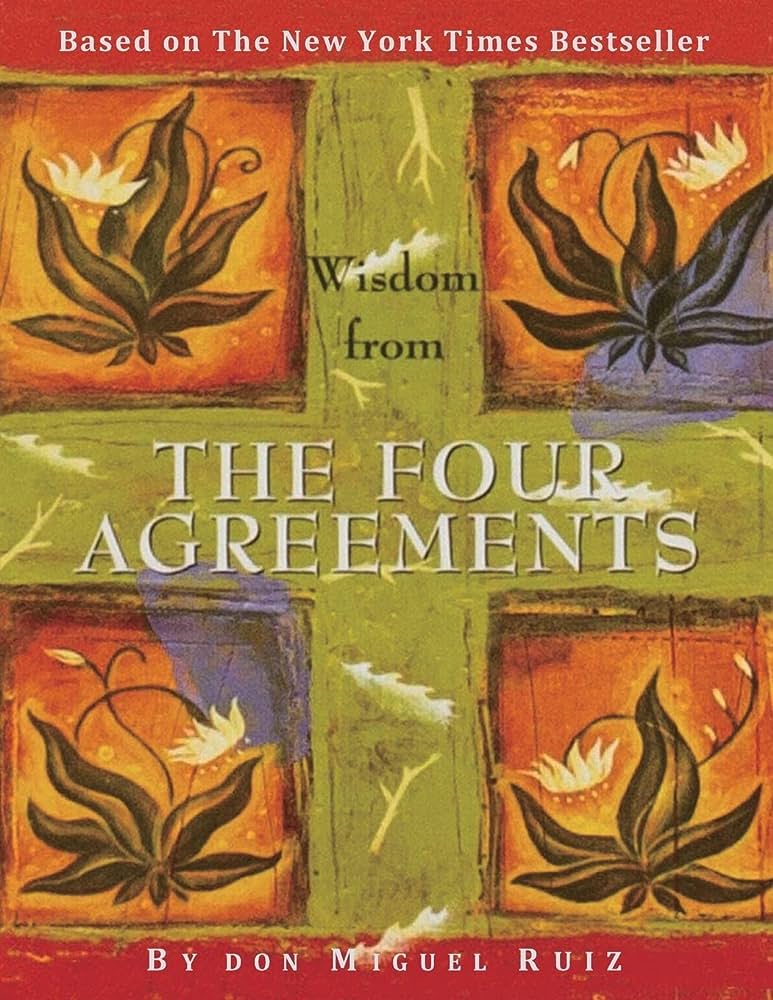
My first real self-help book. I don’t have too much to say about it, honestly. I think that it offers some good advice and presents a potential worldview that could be effective in fighting depression, anxiety, apathy, etc. I’ve found myself thinking about the four agreements, specifically “don’t make assumptions” and “don’t take things personally,” as I go about my day and interact with people, which I feel is a strong point in the book’s favor.
The Barracks Thief – Tobias Wolff
Pretty incredible. A bit of a breezy read, but I don’t think that works to the book’s detriment at all. This is one of a few books I’ve read in the past few years that focuses on the struggles of being a young man and grappling with masculinity, duty, honor, insecurity, and a whole lot of other things. I found Wolff’s approach to be relatable, nuanced, and entertaining.
Giovanni’s Room – James Baldwin
Unsurprisingly, fantastic. There are very few authors that I can place on the same level as Baldwin. The man’s ability to capture the human soul, specifically emotions like despair, dread, and disillusionment, are unparalleled. This book was ahead of its time, and I’m not just referring to the homosexuality of the protagonist. Well, I guess I sort of am. Giovanni’s Room is an exploration of the feeling of disconnection and separation from society, one that is arguably better done than a certain iconic book that I will write about a few sections down.
All Tomorrows – C.M Koseman
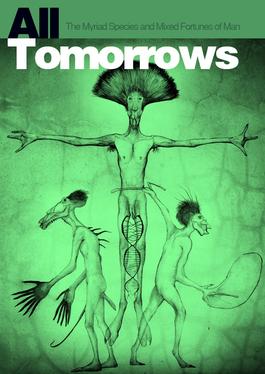
Crazy and cool. Not sure if it is fair to call this a novel, although it is obviously fiction. It’s an epistolary, I suppose. It’s quite an out-there work of speculative fiction, whatever it is. I tore through this book in one day–it was so interesting and enjoyable. I feel like someone could write an epic sci-fi story about just one of the various races described in this piece. A good reminder of how fragile our place in the universe is, and how twisted things could become.
The Wind-Up Bird Chronicle – Haruki Murakami
I liked this book a lot. About halfway through, I was starting to get a bit bored by the whole thing. The passive main character, one who is so fundamentally similar to the male protagonists of Murakami’s other works, was putting me to sleep, and I felt that the plot meandered so much that I could never grab onto anything that interested me. Certain parts are gripping and unsettling, like the flashback of the WWII veteran who watched his commanding officer be skinned alive. Other parts, though, are incredibly boring, such as the flasbacks of Nutmeg. The plot is also very similar to Murakami’s other books (although I did enjoy the inclusion of Ushikawa, who is definitely meant to be the same character as the Ushikawa in 1Q84). Like I said, though, it is a good book overall, and I can’t quite put my finger on why I’m walking away with that conclusion given everything I just wrote.
Friend of My Youth – Alice Munro
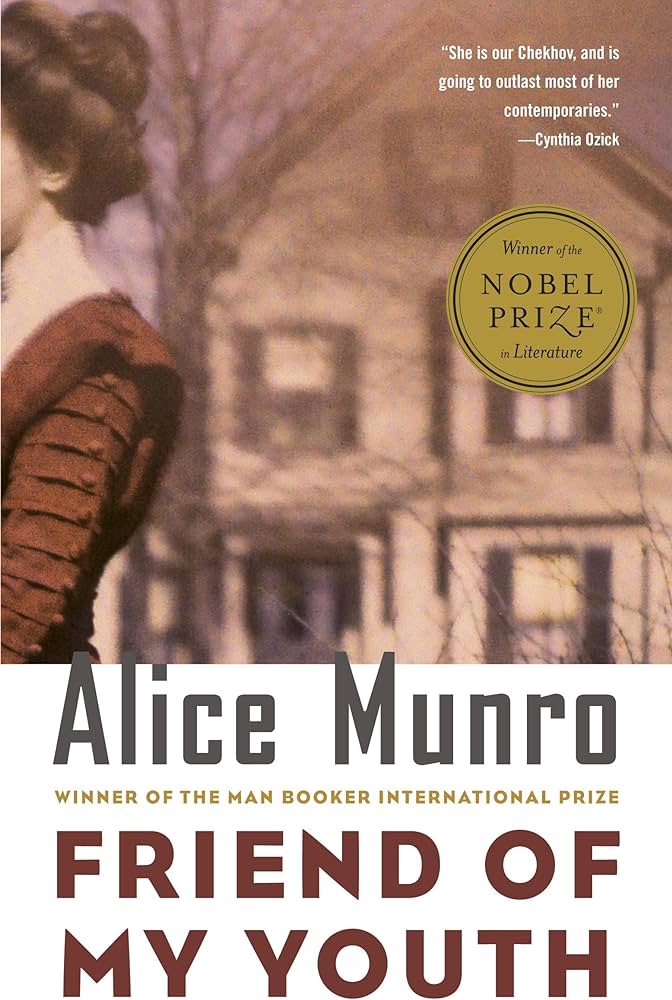
An incredible selection of short stories from a writer who I feel is criminally overlooked by many, myself included. I hope to change that within myself, though, as this collection is packed full of moving, funny, touching, relatable, thought-provoking tales, all centering on issues like love, lust, fidelity, family, marriage, etc. There is a sense of doom that pervades so many of the stories, a sense that these relationships were always bound to fall apart. The lack of “successful” relationships and families in the stories makes this book somewhat depressing at many points, but Munro never wallows or judges, choosing instead to write with an abundance of heart and compassion for her characters, even when (or perhaps especially when) they do things that are unethical or ugly.
The Stranger – Albert Camus
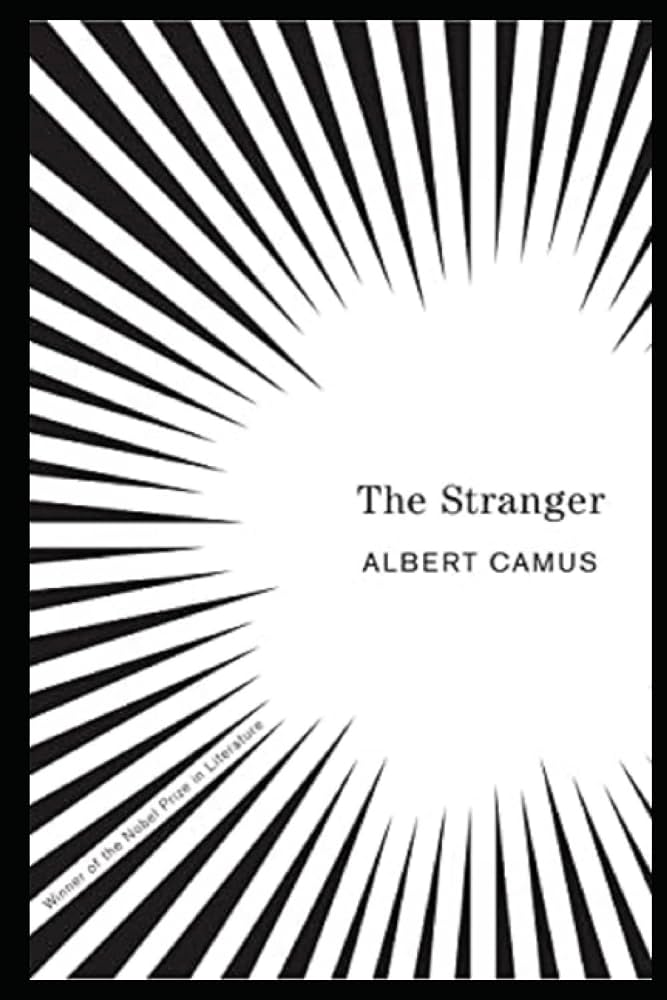
Somewhat interesting I suppose, although I do think that Giovanni’s Room tackles a lot of the same themes in a more poignant and interesting way. I know people write dozen of pages’ worth of essays and dissections of this book, but I just don’t have a whole lot to say about it. I don’t think that that is due to a lack of understanding, either; I feel that I picked up on the novel’s exploration of the absurdity of human existence and how the protagonist is completely detached from the world around him. It just felt kind of… trite? Maybe so many philosophers and artists have expounded these beliefs in the decades following The Stranger’s publishing that I feel like it’s not really saying anything new.
Anna Karenina – Leo Tolstoy
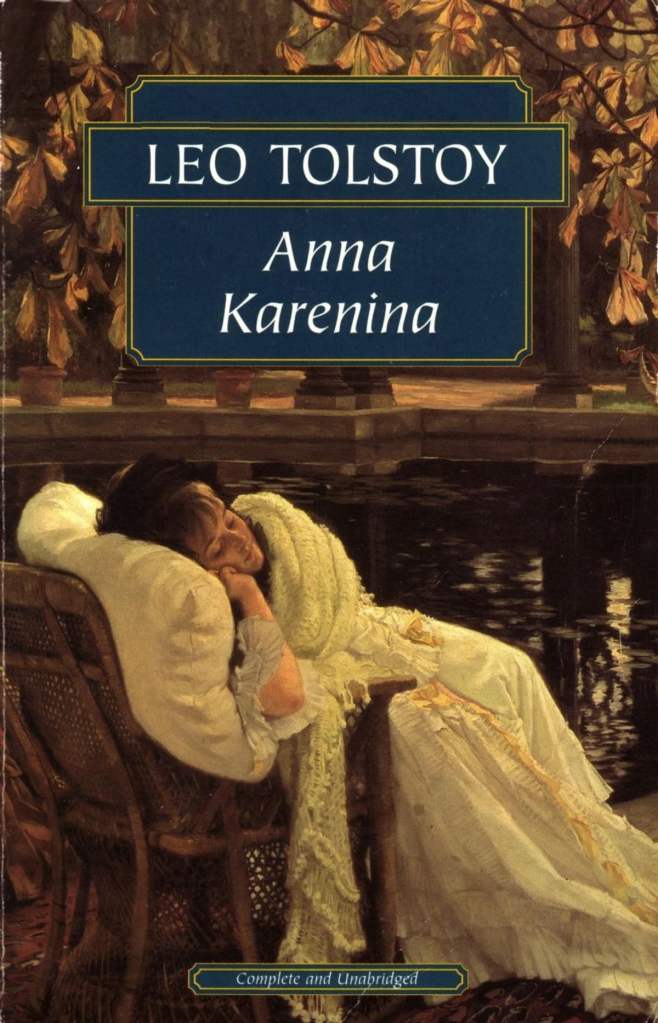
One of the greatest books I have ever read, even if it was very slow, bordering on boring, at times. Tolstoy is often described as the sociologist to Dostoyevsky’s psychologist, and I worried that this would lead to his writing feeling dry or overly academic, but that was hardly the case. Anna Karenina touches on the intricacies of the human heart in such specific ways that I was often taken by surprise at how well I felt I knew the characters in the book, Levin in particular. I related at many points to Konstanin’s internal struggles, insecurities, neuroticism, and displeasure with the world around him. At the same time, I was very surprised by all the characters and events in the story, in a good way. I suppose it’s hard to break down such a mammoth novel in such a short response, but I’m sure that Anna Karenina will always stick with me. One last thing to note: this book has one of the most nuanced and fantastic endings in literature (in my experience). Levin’s sudden epiphany and personal understanding of the nature of God and humanity is very moving and, frankly, understandable. Especially his reaction to his own revelation. Anna’s sad fate seems cruel in some ways, but it is the result of a series of understandable, believable events.
Klara and the Sun – Kazuo Ishiguro
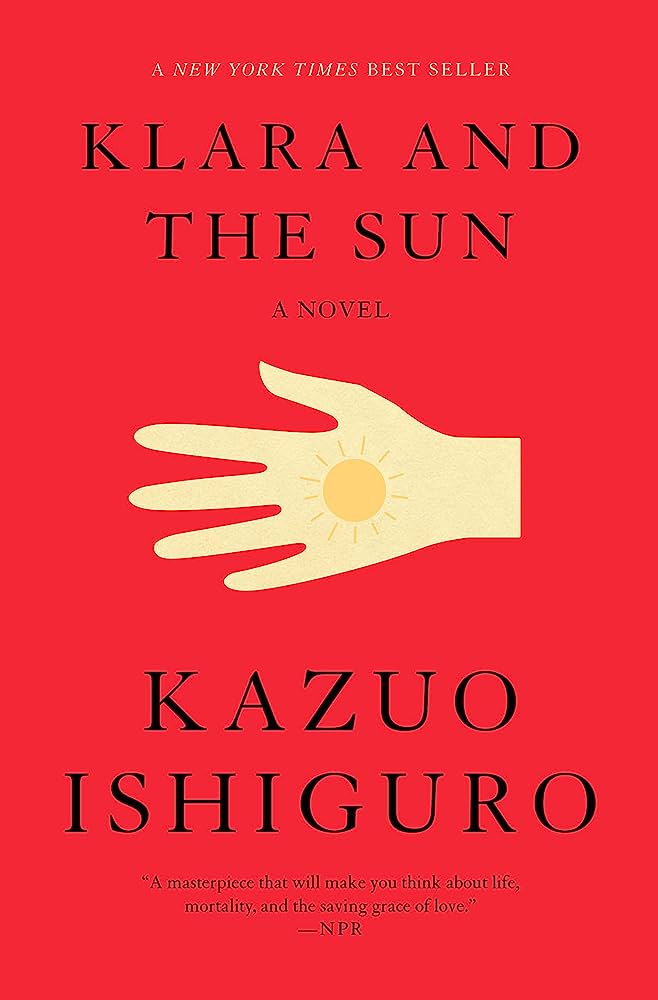
Once again, Ishiguro proves that he is one of the greatest English writers of the past few decades. Klara and the Sun is a refreshing take on the “lovable android” story, as Klara is presented in a way that is believable, unique, and easy to understand. The worldbuilding of this book is rather sparse, but I think that works to its benefit; we don’t really need to know all about every technological intricacy of this futuristic world, we only need to know how it affects the characters in the story. The ending is heartbreaking. It’s nice that Josie recovered, and I understood why her and Rick parted ways, but Klara being left in what I can only assume is a junkyard is so brutal. She had nothing but intense love and devotion to give, but in the end, she was never human. I don’t think this is a bad choice, mind you, as Klara even says herself that she will never experience the same emotions as humans, and it’s a good reminder about the limitations about technology and AI. But I also think it’s a testament to Ishiguro’s writing that, despite all that, I still wanted Klara to be a person like the rest of them.
The End of Loneliness – Benedict Wells
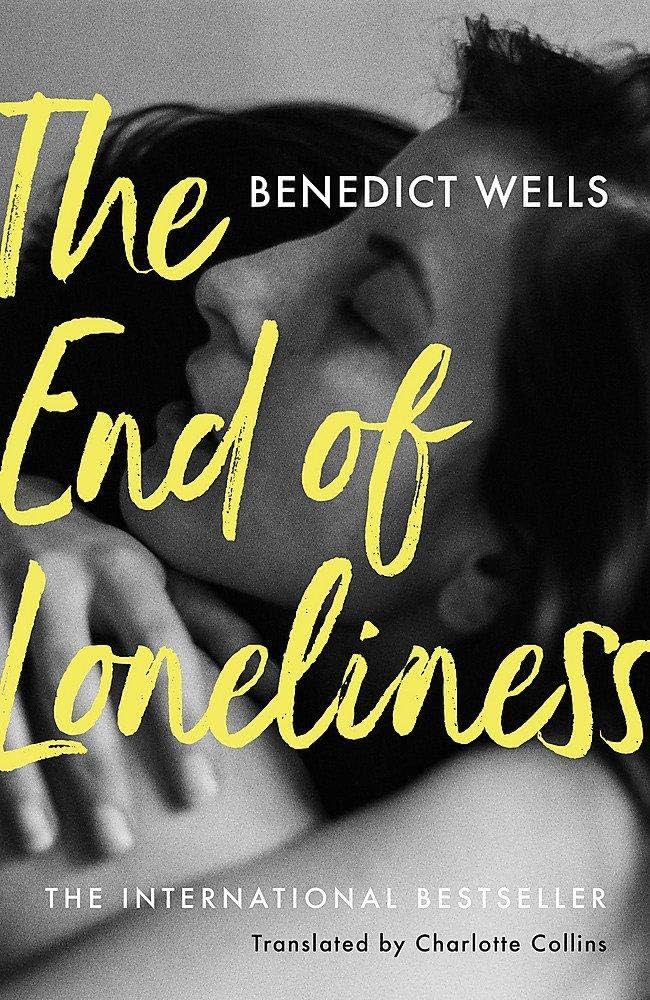
Finished about a week ago so I don’t have my thoughts fully in order. I enjoyed this book. I found it to be moving at many different points, but it sometimes got too sentimental for my liking. I also don’t really love reading about writers. It feels vulgar in a strange way. Still good though. I love the scene where the Russian writer kills himself. That was probably the highlight of the book for me.
Interpreter of Maladies – Jhumpa Lahiri
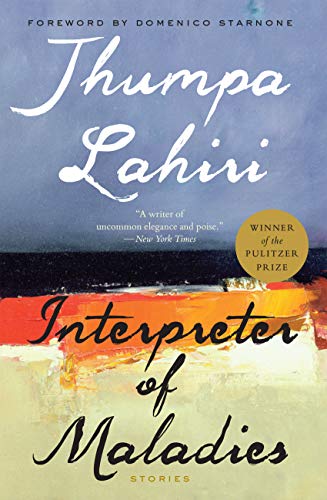
A fantastic collection of short stories. Lahiri writes with such specificity and relatability that I felt like I knew each one of her characters. A bit cliche, I know, but that’s what’s sticking with me. Let’s see, what else can I say? As far as highlights go, the collection starts off incredibly strong with A Temporary Matter, a story about a struggling husband and wife coming to terms with the death of their relationship. The next story, When Mr. Pirzada Came to Dine, isn’t exactly bad, but definitely on the lower end of the collection. The titular piece Interpreter of Maladies is amazing, as was Sexy, This Blessed House, The Third and Final Continent, and A Real Durwan. Alongside Mr. Pirzada, The Treatment of Bibi Haldar and Mrs. Sen‘s were the pieces that didn’t resonate with me quite as much, but they’ve got some stiff competition, to be fair. The stories in this collection are weighty with feelings of grief, regret, shame, and discontentment. Several of the stories center on or at least include relationships that are falling apart, or infidelity, and I think that these subjects are handled rather well. Most of these stories are tragic, but the collection manages to end on a positive note, which is certainly not necessary, but it’s nice.
Kafka on the Shore – Haruki Murakami
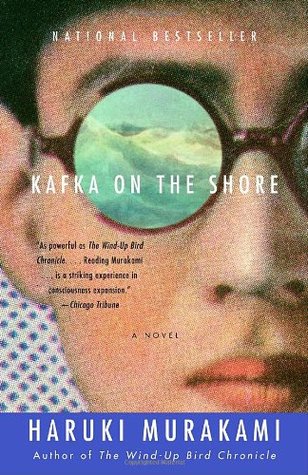
Right up there with 1Q84 and Norwegian Wood. It definitely revitalized my love for Murakami. It’s interesting, because a lot of the things I took issue with in Dance, Dance, Dance and The Wind-Up Bird Chronicle are prevalent in this book, but it all seems different somehow. Rather than feeling bored by the “everything is a metaphor” approach to storytelling, I was sucked in by it, devouring it. Kafka on the Shore is a lot more digestible than some of Murakami’s other works, even if there’s a lot about it that I still don’t understand, and it has a strong plot, which I felt was lacking in Wind-Up Bird.
The Double – Fyodor Dostoyevsky
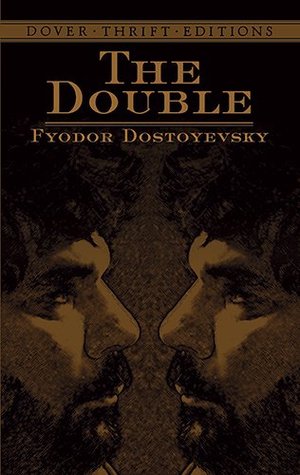
Definitely not as easy to interpret as Crime and Punishment. My current understanding of this story is that it is about the so-called “shadow self” that everyone (or at least most people) have. Of course, Golyadkin is revealed to be suffering from a sort of mental break at the end of the book, and you could view the story at that surface level, but I feel that there is more there. Golyadkin felt like he was watching this “other” sabotage his life, ruin his relationships, etc., and all that he could do was watch impotently, with any effort to remedy the situation resulting in the exacerbation of his own turmoil and anguish. I feel that depression or anxiety or addiction, or whatever you else, can be a lot like this at times: like you’re watching yourself destroy yourself from afar.
I Am Pilgrim – Terry Hayes
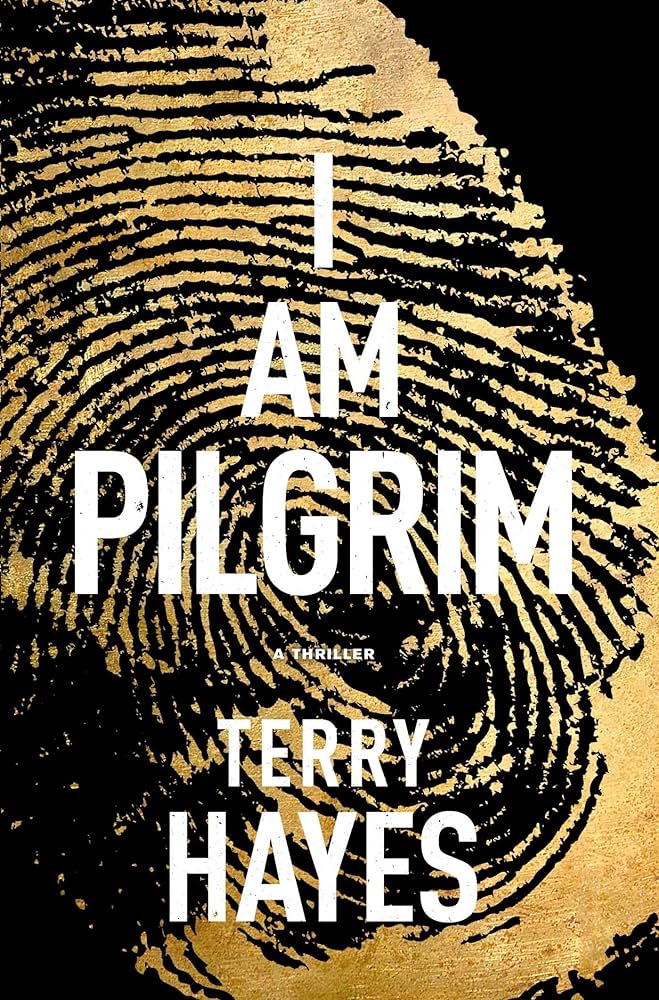
Entertaining. Definitely a “beach read.” It is quite the page-turner, and I always wanted to know what was going to happen next. The prose, while pretty basic, is humorous and creative at many points, which helped to keep me engaged as well.
But Jesus Christ, this book could be embarrassing at times. The way the main character is written is bordering on masturbatory, as he is so deeply entrenched in old-school ideas of badass masculinity. There are multiple points in the book where the protagonist, narrating, explicitly points out women he has slept with, or comments on his penis size. I gave the book the benefit of the doubt and assumed that these details, awkward as they might be, would come back in some meaningful way. They did not. On the subject of sex, the way women were portrayed in this book was pretty ridiculous. Every single time a female character entered the story, I could always bet on Hayes describing them as attractive, sexy, etc. Some are simply described as beautiful, while others are described in more graphic terms. It’s honestly comedic. The book is also predictable at times; I knew immediately that Cumali was the Saracen’s ally. Also, it’s weird that the murder case had no real connection to the Saracen’s evil plot. The Turkey connection was just a wild coincidence, I guess.
Tender is the Night – F. Scott Fitzgerald
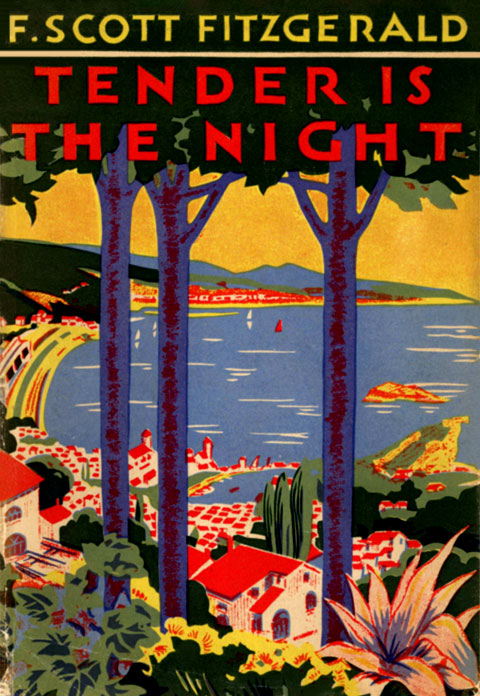
A tragic, depressing, human story. I feel bad for just about everyone in this book, except for perhaps Rosemary, but only because she manages to move on from the Divers’ world. Dick is definitely not a good person, but Fitzgerald writes him with such sensitivity and humanity that I could never truly hate him. I mostly just found him pathetic, but almost by way of a curse or an accident. I’ve always liked Fitzgerald, but I think this book marks the first time I’ve ever been truly in awe of his ability as a writer. The prose was striking, emotive, and vibrant, each character (although I didn’t care about some of them) was compelling and plausible, and the story left me reeling long after I finished it. A masterpiece.
Annihilation – Jeff VanderMerr
A very thought-provoking, short read. Coming to this book after watching the movie, I was shocked at just how different it was; it’s basically a completely different story, with nothing in common but the general premise. It definitely made me appreciate the movie a bit more, though, as I was able to see how Alex Garland and co. managed to capture the spirit of the book in their medium. The story is terrifying in a way that I’ve never quite experienced before. Area X is filled with rapid growth and progress–two things that humans seem to love–but it feels wrong somehow. It’s an extreme version of the realities of nature: Area X doesn’t care about humanity, it doesn’t share any of our myths, it just wants to grow and change. Annihilation never tells us what Area X is and the narrow perspective of the biologist, who ultimately learns very little about Area X by the end of the story, makes the experience so much more unsettling.
Braiding Sweetgrass – Robin Wall Kimmerer
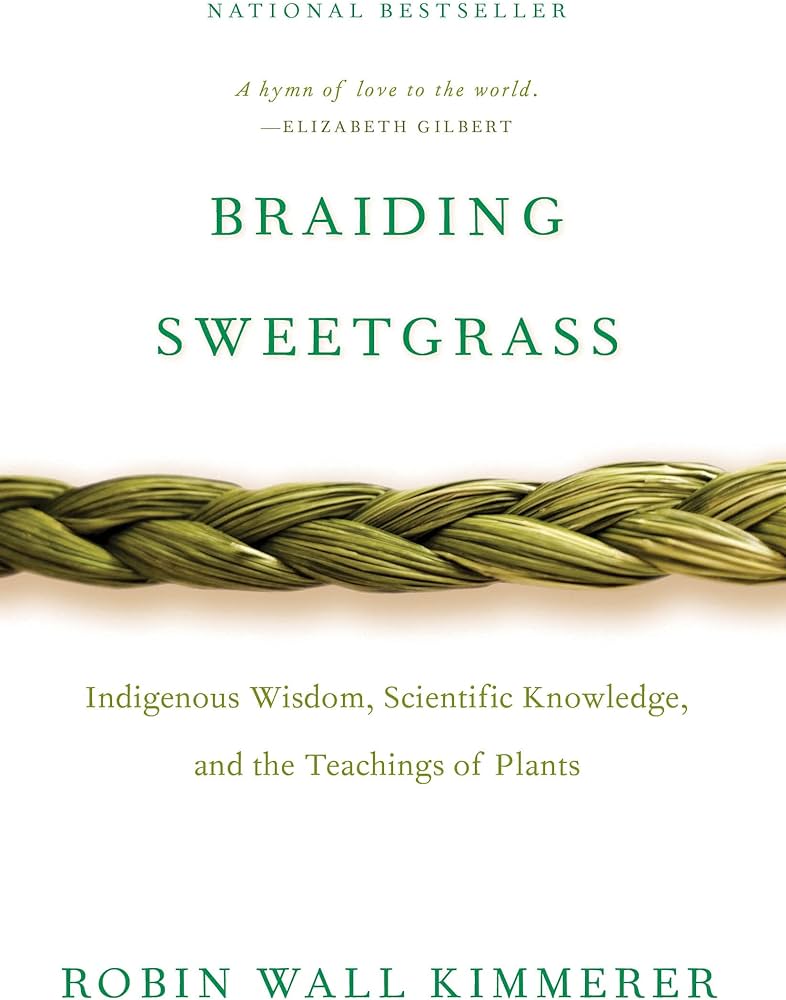
An educational and deeply enriching book about humanity’s relationship to the planet. A common liberal, eco-friendly stance is something along the lines of “humanity is a plague on the Earth” or “humans are greedy and destroy everything.” Braiding Sweetgrass certainly makes these points at times, but it is refreshing in its practical and mind-changing optimism. This book outlines ways that humans have and still can enjoy a healthy and meaningful connection to the planet that we live on. We are not inherently bad for the Earth. But we have been led astray by a culture that values consumption over well-being. Braiding Sweetgrass isn’t a step-by-step guide for getting back in touch with Mother Nature, but it should galvanize anyone who cares about the planet, forcing them to remember that we can have a loving relationship with our world. We are not superior to the rest of nature; plants have an intelligence that we can’t understand, and this book offers a purposefully digestible glimpse into this intelligence.
At times, this book would evoke feelings of anger and frustration. It would remind me of how global capitalism has been steadfast in its mission to destroy the world, and how no one seems that bothered by it. This isn’t a tree-hugger stance. The current structure of society, where corporations rule the world, is completely idiotic and useless, and it makes everyone miserable while it slowly eliminates all life. Human lives have already been lost to climate change, and thousands of plant and animal species have been destroyed. What do these fucking morons, these heads of ExxonMobil etc., think will happen when so many ecosystems are destroyed? Anyway, Braiding Sweetgrass reminds me of these things.
A piece of criticism: this book probably could have benefited from another edit. It’s a little bit longer than it needs to be, in my opinion, and some elements of the narrative (thinking of the TWO separate instances where Kimmerer’s students spontaneously broke into song, c’mon) were a little eyeroll-inducing.
The Beast that Shouted Love at the Heart of the World
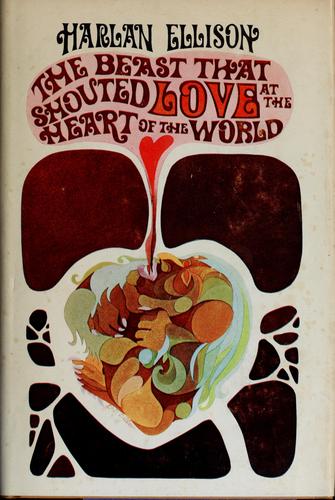
This incredibly-named short story collection is thoroughly entertaining and creative. I was only familiar with Ellison thanks to the ever-popular and relevant I Have No Mouth and I Must Scream (he really has a knack for great names), and this was mostly what I expected from TBTSKATHOTW. Some of the pieces, including the titular one, bordered on incomprehensible at times, but in a good way. Some, naturally, were more memorable than others, but I didn’t really dislike any. I found some parts of A Boy and His Dog problematic, though I’m still processing that. My favorite piece was probably Run for the Stars, followed by Santa vs. S.P.I.D.E.R.
Swann’s Way – Marcel Proust
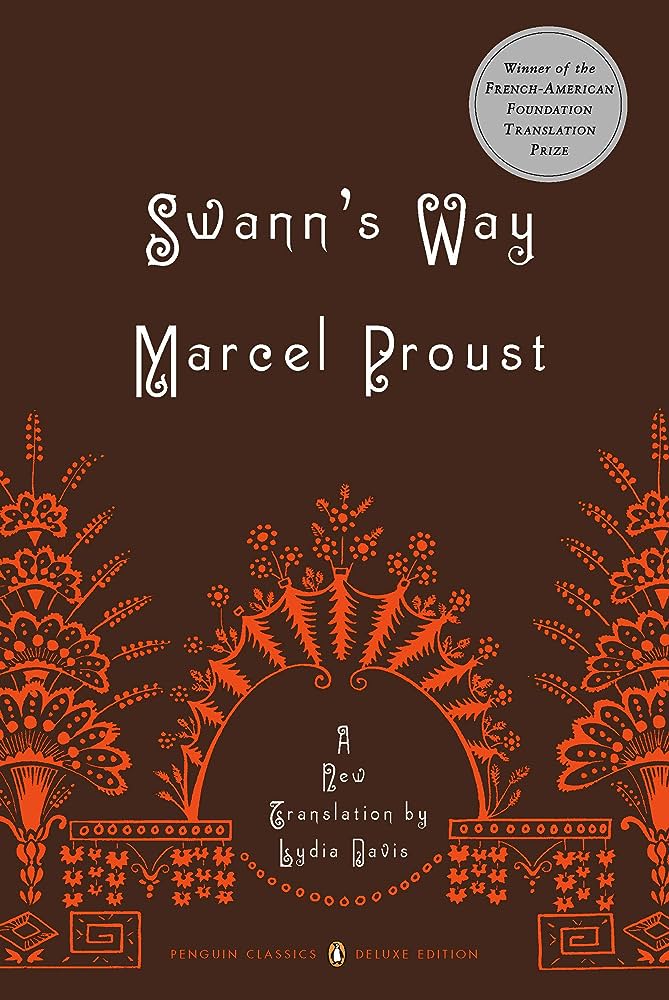
Swann’s Way is difficult to talk about on its own, as my understanding of it could change as I make my way through the rest of In Search of Lost time. That said, I have a lot of thoughts about this book.
I’m not sure I’ve ever read anything quite like Swann’s Way. It starts and ends as a very loosely structured walk down memory lane, centering on Proust himself as a child. These sections cover his relationship with his parents, his particular desire for solitude, and, eventually, his budding romantic obsession with Swann’s daughter. Sandwiched between these sections is Swann In Love, which takes up the majority of the book and covers Swann’s own romantic obsession and battle with insecurity. Couched within both of these sections are nuanced and self-referential explorations of identity and the nature of reality. The book asserts that there is, essentially, no such thing as objective reality. That a certain place, or a certain person, is nothing more than a bundle of our memories and the expectations that we place on them. Our very selves are nothing more than the memories of our life, and if one were to wake up with amnesia, he would be a different person entirely.
Swann experiences this lack of objectivity in his own life, during his fits of jealousy and fervent desire for Odette, who herself takes on as many forms as Swann’s varying moods. Indeed, Swann’s understanding of her as an independent person is entirely dependent on the data delivered to him through his sensations: the way Odette’s face falls toward him before their first kiss, or how she makes comments about their at-one-point clandestine amorous conferences, are examples of specific moments that build the story of Odette. In reality, she is not something that Swann can fully understand, which drives him to despair throughout his story. Of course, he ultimately marries her, which I find rather interesting and hope the future volumes will explore in greater detail.
Swann’s Way took me a long time to read. It’s a pretty intensive, old-fashioned book, and a lot of modern readers will probably bounce off it, maybe writing it off as overrated, pompous nonsense. This is a shame, because it is one of the finest pieces of literature I have ever experienced, and I find myself thinking about it constantly.
The Hitchhiker’s Guide to the Galaxy – Douglas Adams
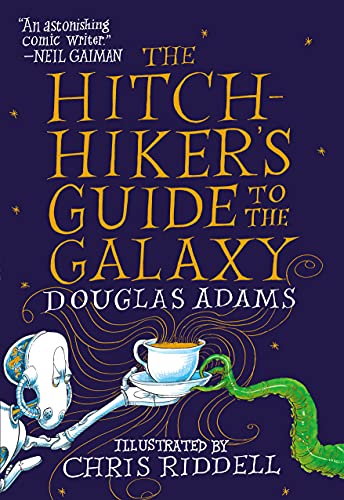
A great time and very clever. Very British, also. I have to say, not being super well-acquainted with the series but knowing it by reputation, I was a bit surprised at how short and almost quaint it is. The book is only about 200 pages, and it’s generally very lighthearted; it’s 100% a comedy that is not meant to be taken seriously. In that same vein, it doesn’t really feel like science fiction to me, at least not in the “hard” sense. As far as the genre is concerned, it falls more in line with something like Star Wars, as it uses space, aliens, and futuristic tech as tools for its story, but doesn’t really give them much consideration in and of themselves. That’s not necessarily a bad thing, but it does make it feel more like a book of laughs with some cheeky social commentary, but not a whole lot more. It definitely has me interested in reading the sequels, though.
Never Let Me Go – Kazuo Ishiguro
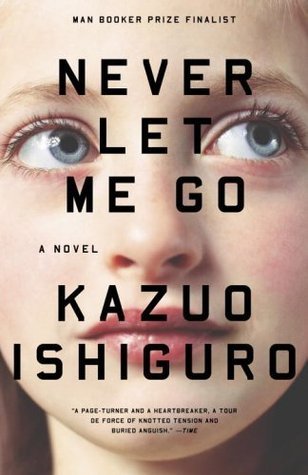
Absolutely beautiful and a candidate for my favorite Ishiguro book. It’s a bit like Clara and the Sun, in that it is light speculative fiction that is very suggestive, rather than explicit, in its world-building. The reader can understand the implications of a society that produces clones for use as organ donors, just as they can understand the implications of a society that makes robo-friends. Basically, Ishiguro assumes that you can fill in the blanks, choosing to prioritize the characters over the world-building.
The character writing is what makes this book special. Premise-wise, it’s remarkably similar to The Island, a completely lackluster Michael Bay movie from the 2000s. In that movie, the clones bust out of their holding facility and revolt against the corrupt world that wants to use them as donors. A lesser book probably would have taken a similar approach, given this premise, but Never Let Me Go doesn’t quite do that. The characters never have their Truman Show moment, where the truth of their society is laid bare for them, and they get a chance to exercise their heroic spirit to take down the evil system that bred them. They quietly understand their fate, and while they aren’t completely unbothered by it, they try to make the most of their situation. The loftiest goals characters have is delaying their donations by a few years–they don’t even try to get out of it completely. This speaks volumes about the type of story this is, as well as they kind of writer Ishiguro is, concerned with presenting a truthful, tangible world, rather than a sugary fantasy or totally bleak nightmare.
I,Robot – Isaac Asimov
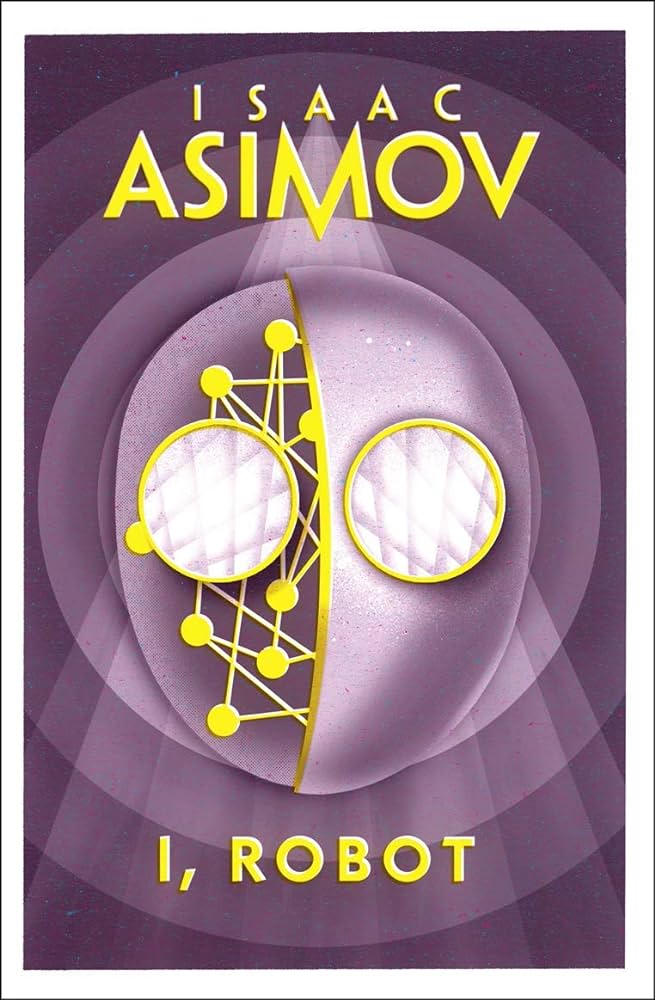
From the pulpy, lighthearted adventures of David Starr, Space Ranger to the vast, speculative fiction that is I, Robot, Asimov is certainly one of the most prolific and versatile sci-fi writers of all time. I, Robot presents the reader with a world that is strikingly similar to ours, especially given the current AI boom. The novel is, in some ways, more similar to a series of short stories all centered around the issue of robot psychology. How do these humans live in a world of machines? And how can they hope to control something that they can hardly understand? Asimov’s famous Three Laws of Robotics make their debut in this book, and it’s impressive how many varied scenarios can be extrapolated from these three simple pillars of behavior. The anthology structure of the book, combined with the thoroughness with which Asimov explores his three laws, makes I, Robot feel more like a thought experiment than a novel at some times; that’s not a bad thing, but it’s worth considering.
Childhood’s End – Arthur C. Clarke
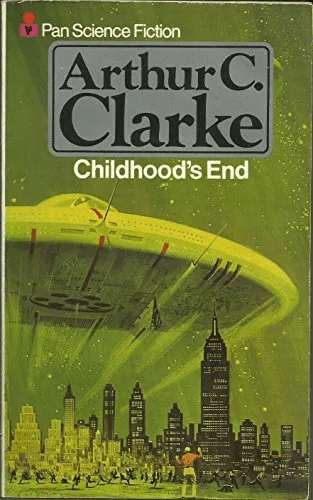
Easily one of the most thought-provoking, powerful, and inventive pieces of science-fiction I’ve ever read. Childhood’s End asks a simple question: what would happen if a benevolent, seemingly omnipotent alien species used its immeasurable power to fix all of humanity’s problems? What would occur if humanity were to be ushered into an unprecedented era of well-being, contentedness, and hedonistic fulfillment? Some very strange things happen, as it turns out, and humanity’s golden age doesn’t quite turn out how, or last as long as, some might imagine. Many of the conventions of cosmic horror–such as humanity coming into contact with beings beyond their comprehension and learning that we are, indeed, very small and insignificant–are present in this novel, but Clarke takes a unique approach to this framework, positioning the super-powered cosmic beings as infinitely benevolent, even kind and affectionate, which makes the culmination of the story’s events all the more tragic.
Falconer – John Cheever
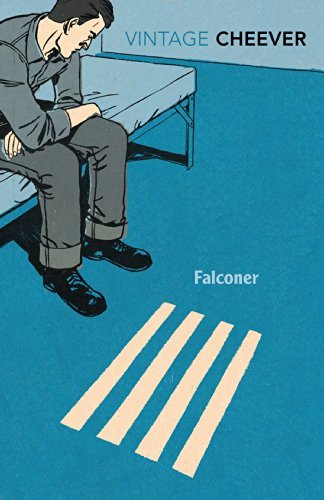
A book that goes by in a flash. Falconer is a prison drama packed with enough quirky, misfit characters to rival Shawshank, but unlike Stephen King’s band of lovable rogues, no one in Falconer is an innocent man, or even a decent one. What John Cheever chooses to focus on in this book is the fact that, removed from the rails of civilized society, a decent, respectable person is much harder to define. No one prisoner has a higher status than another, and those who feel that they do are swiftly disregarded as pompous or delusional.
The protagonist of the story, Farragut, is an unlikely hero: a heroin-addicted, fratricidal sex fiend with no obvious skills. He accepts his lowered social status and ultimately redefines himself over the course of the novel, which he can only do thanks to the shedding of his assigned identity as a soldier, husband, father, etc. It’s very good.
The Man In the High Castle – Philip K. Dick
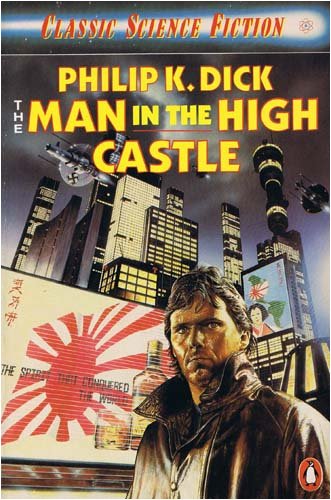
A mind-fuck, to put it frankly. This book is known for its quick, tantalizing elevator pitch: what if the Allies lost WW2, and the Axis powers took over the West? It’s an interesting premise, to be sure, and one that could easily give way to a sensational or by-the-numbers story, but Dick refuses to go the pedestrian route.
He does give the reader a little of what they expect, though. He makes observations about the fundamental changes to everyday life in the former USA, and the impact that widely accepted, intercontinental Nazi rule would have on issues like economics, free speech, and, of course, race and ethnicity. The book’s criticisms of fascism, xenophobia, and tribalism are both obvious and nuanced, which makes the book simultaneously cathartic and surprising. This is all what one familiar with the author would expect, but The Man in the High Castle winds up delving far deeper, commenting on the nature of history and even reality itself. Ultimately, any attempt at explaining the plot of this book is doomed to failure, as it’s far too complex and strange; I have no idea how Amazon adapted this book to a TV series.
To Hold Up the Sky – Cixin Liu
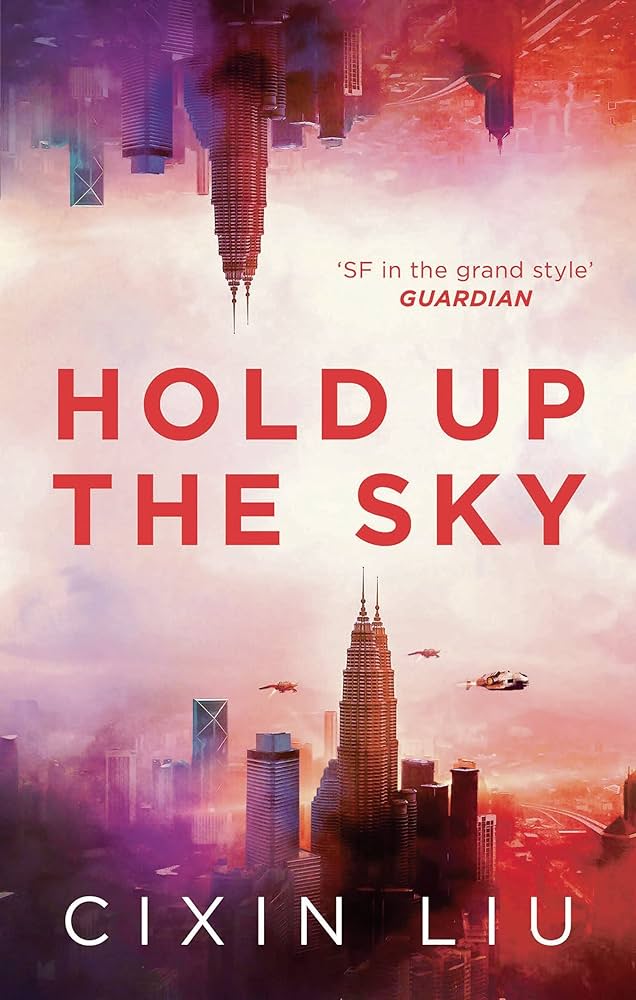
A fantastic collection and extremely interesting, especially reading after The Three Body Problem series. You can see that a lot of the ideas that wound up being used in TBP were gestating when he wrote some of these stories (several of these shorts were written long before TBP). This is especially true when it comes to his visions of the future and his tendency to take a somewhat basic idea (e.g. a supercomputer) and take it to its fullest, most terrifying conclusion. Not every story in the collection is a masterpiece, in my opinion (Ode to Joy was particularly dull for me), but most of these stories are incredible and the perfect blend of exciting and though-provoking. Cixin Liu has a very special mind, that’s for sure.


 Nick Rodriguez
Leave a reply to colorful146465fd1c Cancel reply